
Recipes Personified
This one has an 'actual' recipe for a Chard & Cheddar Quiche inside!
Stock up on salt. Stock up on cane sugar. Stock up on cayenne and black pepper. Stock up on flour1. Buy a roll of butter2 and a gallon of milk3. Buy two bags of Swiss Chard4. Buy 2 dozen eggs5. Buy 3 pints of heavy cream6, a hunk of cheddar7 and a bag of yellow onions. Put some tap water through the water filter.
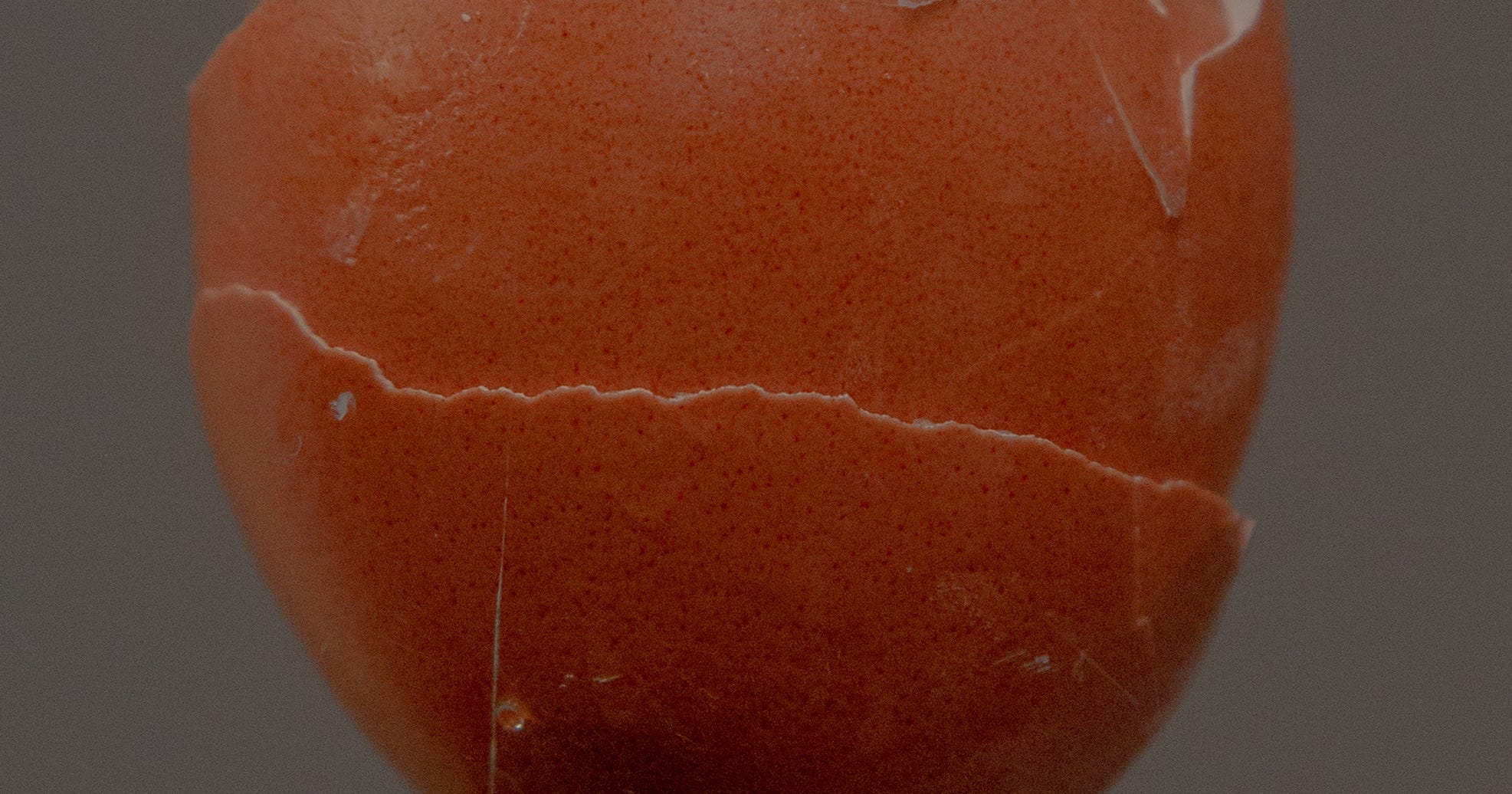
Quiche is a spring dish to me, not only for its eggs and the fresh greens I like to fold in, or the way it makes a sunny occasion of itself, but more so for how its making mirrors the season’s weather. There is a constant dance between warmth and chill. The contents move from freezing ground, warm animal, chilled ingredients, warm hands, cold fridge, hot pan, frigid room, hot oven, to a sultry mouth. In observing these basic fluctuations, you can clearly see that the quiche exists, briefly and beautifully, within a delicate balance of extremes.
Make sure you have 170g of butter and 100g of water that are really cold.
If not, pop these in the freezer for about 15 minutes.
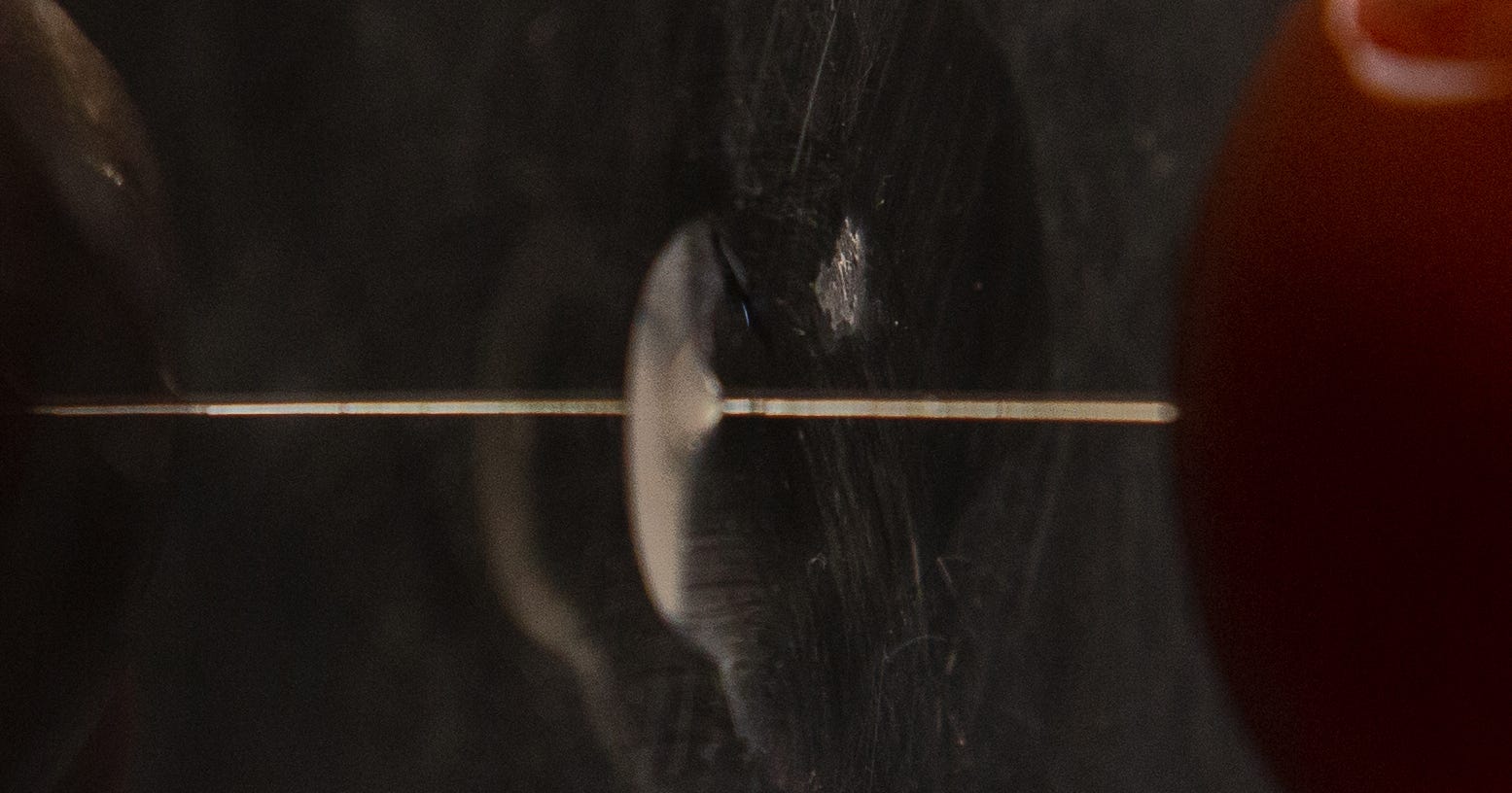
Mix together 318g of flour, 15g of cane sugar, and 2g of salt. You want to get shards of the cold butter into the flour. You can do so with a box grater, by grating the butter into the dry ingredients and using a hand to bring it all together. Or you can put it all in a food processor so that the butter gets cut into the flour mixture. You next want to slowly add the cold water. Tablespoon by tablespoon, pour the water in, and between each addition, use that same messy hand to toss and press the mixture until it holds itself somewhat together. Or you can slowly add it into the food processor just until the dough starts to look like it’s becoming one. Don’t overmix. You’ll hurt your dough and machine. Use your hand to finish shaping it. Roll the dough into a ball, gently press it into a disc, and wrap it in plastic. Let it chill in the fridge for a while. At least an hour. Some say, at least three. At most, a few days.
Still embracing the ways in which winter lingers, I’ve been cocooned in books. Two in particular, both written by women whose lives feel close to mine in more ways than one, keep encouraging me to celebrate those fluctuations.
In reading both ‘Broken Open’ by Elizabeth Lesser and ‘The Body is a Doorway’ by Sophie Strand, neither of which are about food and cooking in any obvious ways, my relationship with recipes has deepened. I find that almost everything I learn from books like these, about how to be present, how to perceive my existence, how to make sense of what happens to me, is applicable to the forms and functions of recipes. When I translate such teachings into food and embody them through cooking, I understand them more fully and can then better integrate them in other parts of life. This is what I’m getting at when I propagate the phrase ‘Forms of Reciprocity’. This is perhaps the real reason I’m fascinated with recipes, they help me metabolise my life.
The start of spring feels like the truer new year, the one where nature itself is reborn, and so I find myself setting out to make a quiche8 in order to grapple with the frames of birth and death.
“We think of birth as our beginning… That from nothing you suddenly become something. From no-one, you suddenly become someone…
Our true nature is the nature of no-birth. Our birth certificate is misleading. It was certified that we were born on that day from such and such hospital or city. But you know very well that you had been there in the womb of your mother long before that.” 9
If we had a different way of marking our arrival into this hungry body, would the understanding of where our life comes from and where it goes shift? If we had a different way of writing recipes, would we be able to honour where our ingredients come from and better care for our land? These documents don't just record, they decide what is sacred. I find myself thinking about this as I…
Remove the dough disc from the fridge and let it sit until slightly softened and pliable. Ready a 9” springform tart pan. Coat it with parchment paper, fat, or both, so you can get its contents out later. Dust the dough and your work surface with a bit of flour. Roll the dough out so it becomes thinner. Optional lamination can go here. Fit the dough into the tart pan and press it flush into the crevices. Trim any excess overhang. Chill the dough set in the tart pan for at least 1 hour in the fridge.
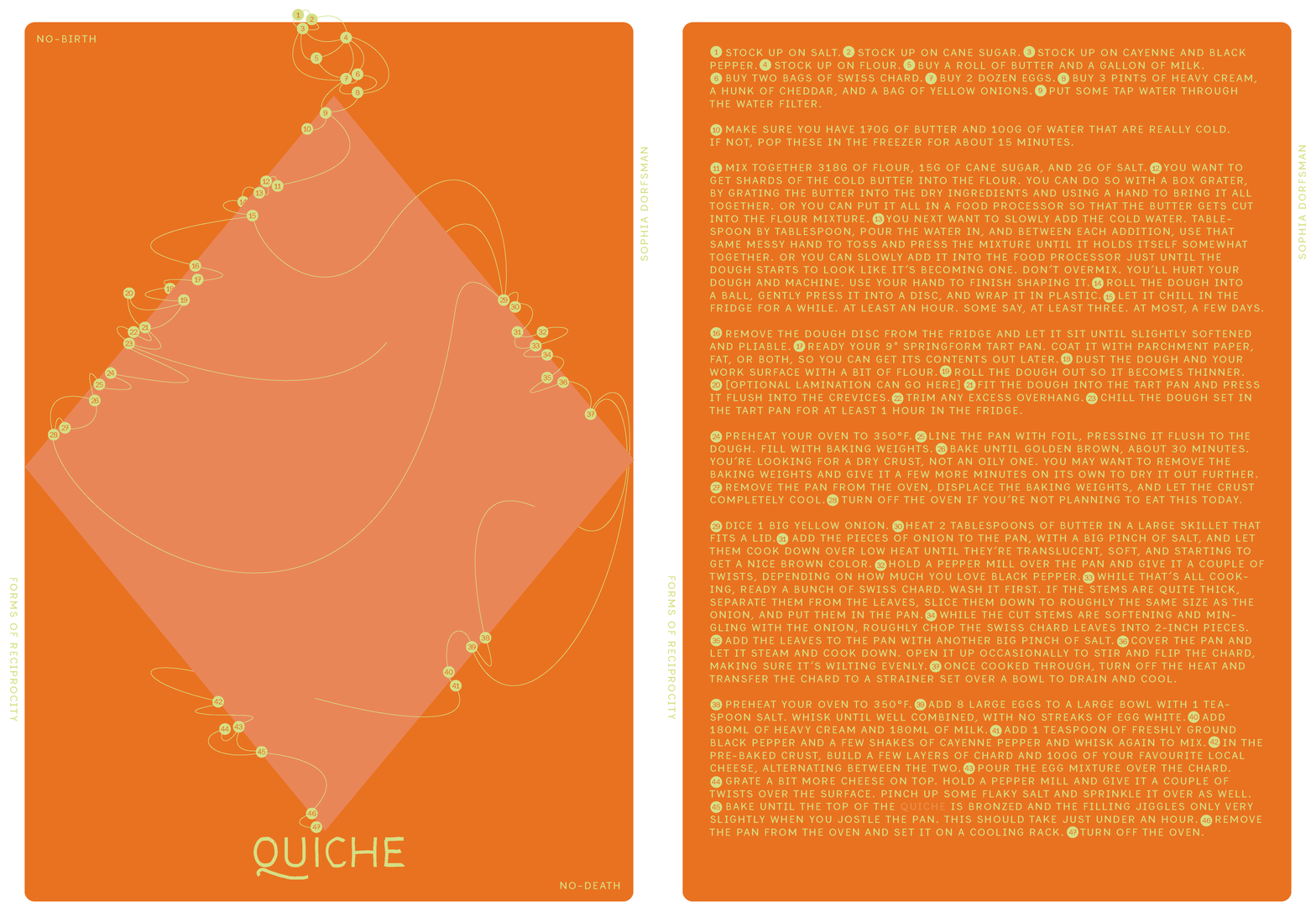
Before I pre-bake the crust, I notice how the momentum has built up as ingredients accumulated. I see that in setting out toward a certain point of completion, I opened a capsule, one in which the quiche will fleetingly exist.
What will become the final dish will have different names along the way. It goes from just being many ingredients to being a ‘dough’ and a ‘custard filling’. Ingredients merge, and so does language. Yet, a quiche is never a single thing. It is a temporary convergence of non-quiche elements. Aren’t I the same as this quiche? Aren’t I many parts momentarily held together in a recognisable form before continuing to transform? Aren’t I simply known as all versions that everyone will ever make of me?
“... I was never an individual. I was always a product of others.”10
Preheat your oven to 350°F. Line the pan with foil, pressing it flush to the dough. Fill with baking weights. Bake until golden brown, about 30 minutes. You’re looking for a dry crust, not an oily one. You may want to remove the baking weights and give it a few more minutes on its own to dry it out further. Remove the pan from the oven, displace the baking weights, and let the crust completely cool. Turn off the oven if you’re not planning to eat this today.
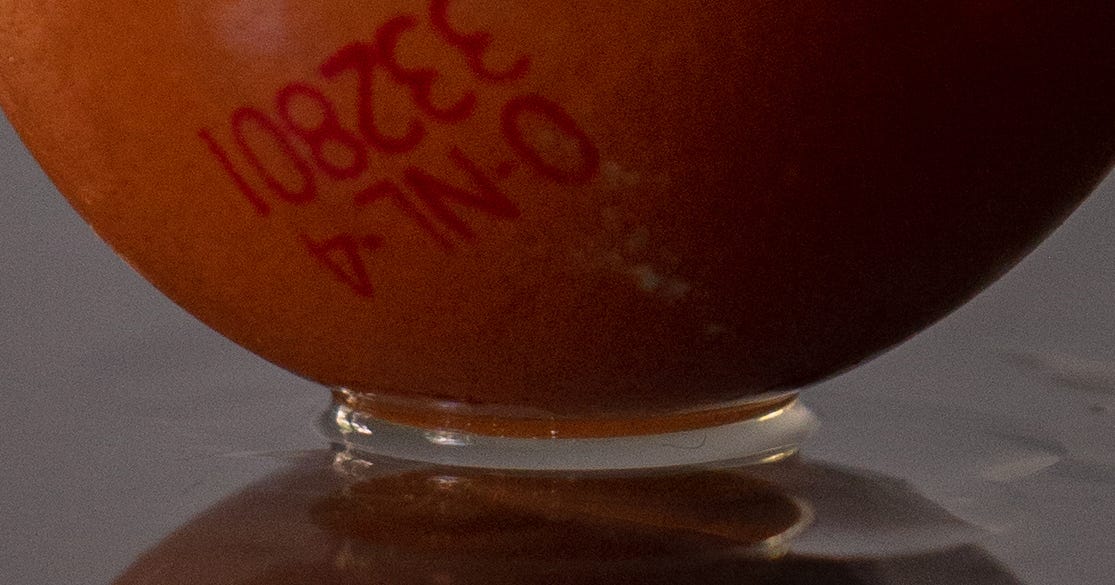
Dice 1 big yellow onion. Heat 2 tablespoons of butter in a large skillet that fits a lid. Add the pieces of onion to the pan, with a big pinch of salt, and let them cook down over low heat until they’re translucent, soft, and starting to get a nice brown colour. Hold a pepper mill over the pan and give it a couple of twists, depending on how much you love black pepper. While that’s all cooking, ready a bunch of Swiss chard. Wash it first. If the stems are quite thick, separate them from the leaves, slice them down to roughly the same size as the onion, and put them in the pan. While the cut stems are softening and mingling with the onion, roughly chop the Swiss chard leaves into 2-inch pieces. Add the leaves to the pan with another big pinch of salt. Cover the pan and let it steam and cook down. Open it up occasionally to stir and flip the chard, making sure it’s wilting evenly. Once cooked through, turn off the heat and transfer the chard to a strainer set over a bowl to drain and cool.
Preheat your oven to 350°F. Add 8 large eggs to a large bowl with 1 teaspoon salt. Whisk until well combined, with no streaks of egg white. Add 180ml of heavy cream and 180ml of milk. Add 1 teaspoon of freshly ground black pepper and a few shakes of cayenne pepper and whisk again to mix. In the pre-baked crust, build a few layers of chard and 100g of your favourite local cheese, alternating between the two. Pour the egg mixture over the chard. Grate a bit more cheese on top. Hold a pepper mill and give it a couple of twists over the surface. Pinch up some flaky salt and sprinkle it over as well. Bake until the top of the quiche is bronzed and the filling jiggles only very slightly when you jostle the pan. This should take just under an hour.
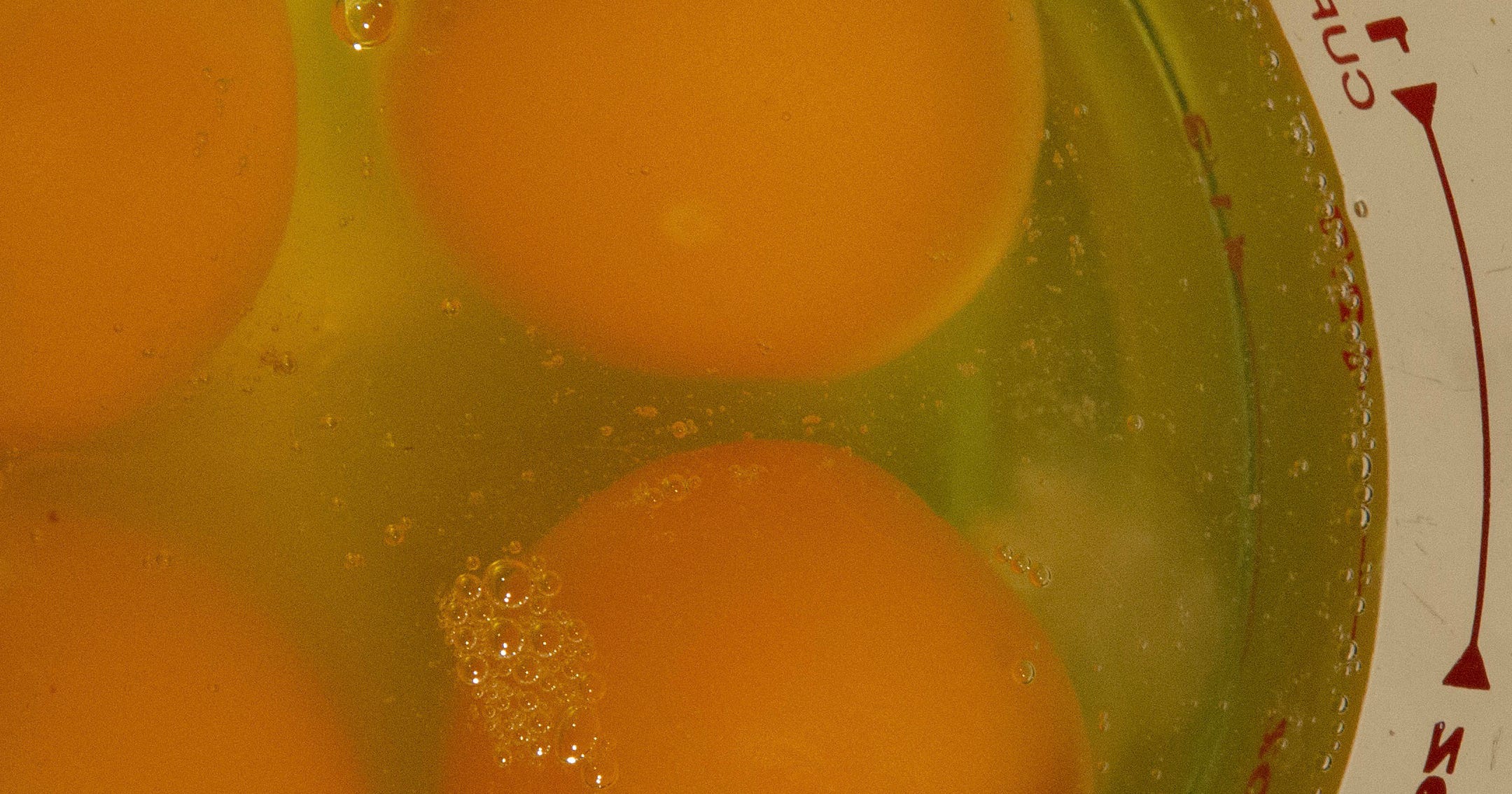
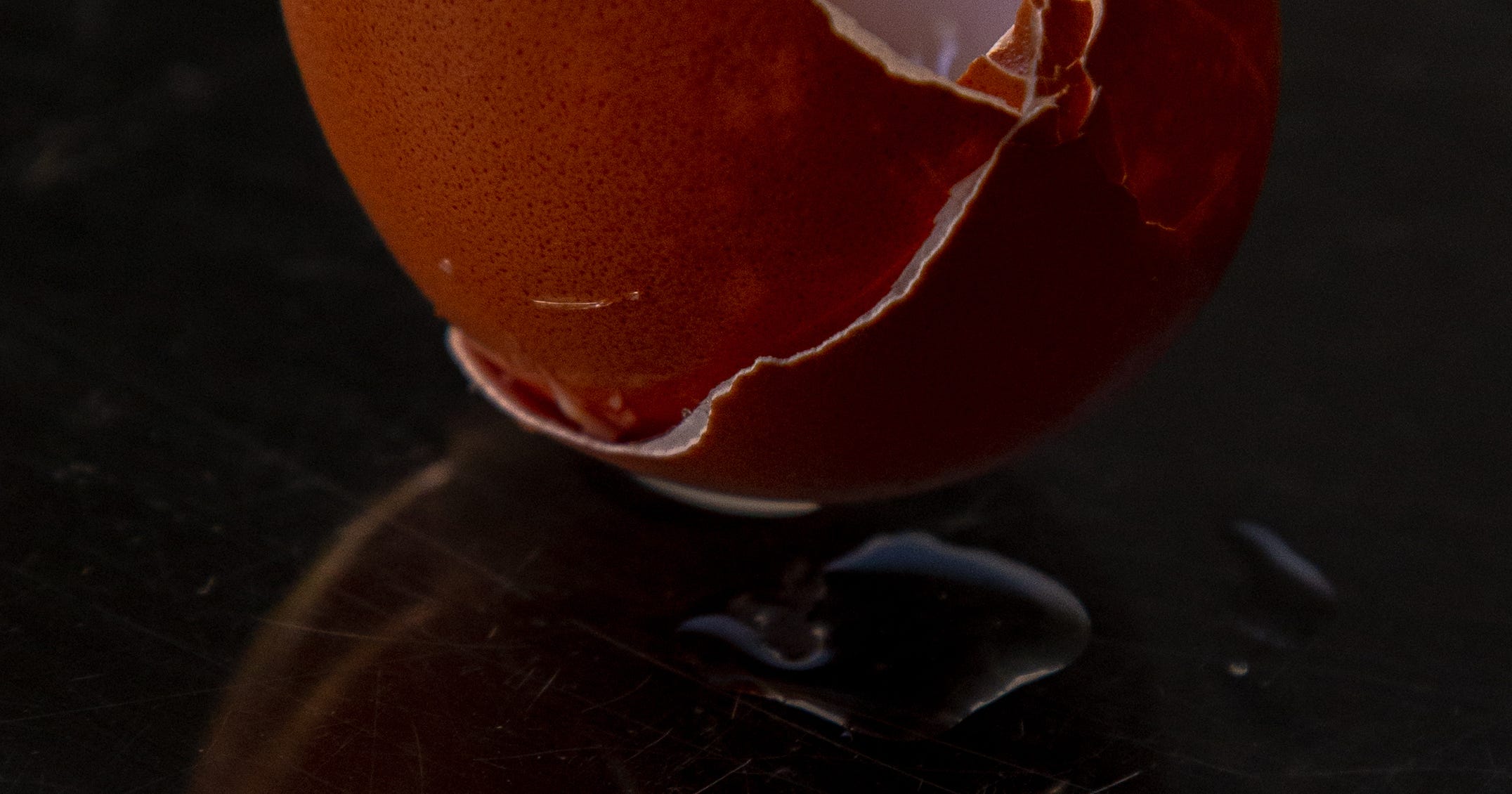
As I make this quiche, I am held together by the words I read in those books — Lesser’s insistence that being broken open like the eight eggs it took to make this quiche is not the end, mixed into Strand’s reminder that I am never just one thing. What I am held by will change and thus I will change, yet my name will always be Sophia.
Remove the pan from the oven and set it on a cooling rack. Turn off the oven.
The quiche knew this too, and then it was gone — and, if I may add, utterly delicious.
Flour from: https://www.wildhivefarm.com
Butter from: http://www.kriemhilddairy.com
Milk from: https://www.chaseholmfarm.com
Swiss Chard from: https://www.longseasonfarm.com
Eggs from: https://northwindfarms.net
Heavy Cream from: http://www.ronnybrook.com/
Cheddar from: https://www.5spokecreamery.com
This recipe is held together by Natasha Pickowicz and David Lebovitz via Devan Grimsrud.
Elizabeth Lesser’s ‘Broken Open’, p. 200 – 201, referencing Vietnamese Zen monk Thich Nhat Hanh’s thoughts.
Sophie Strand’s ‘The Body is a Doorway’, p. 225
This is SO GORGEOUS!!!
For further related reading: https://x.com/thecurioustales/status/2039022328575578432?s=20